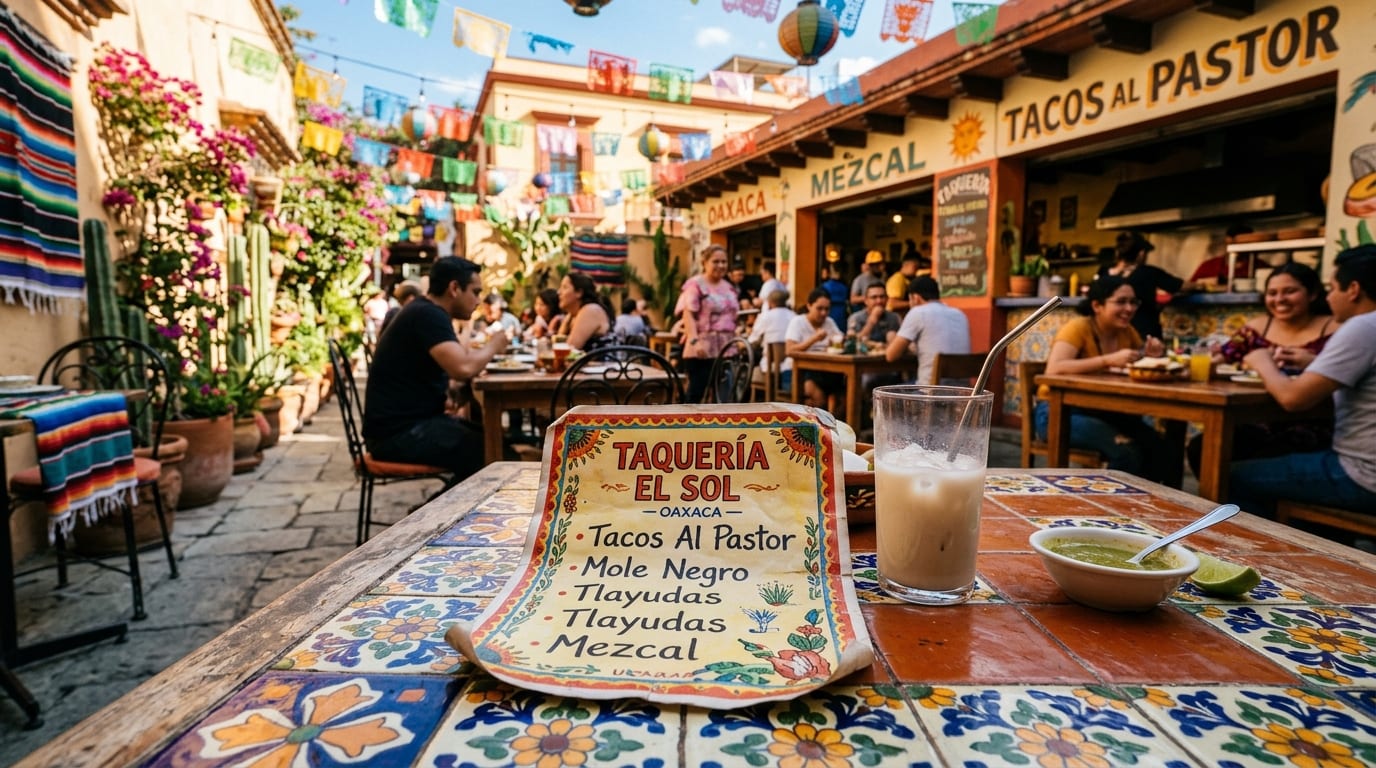
There is a certain nostalgia associated with a beautifully bound, leather-clad physical menu. But in today's fast-paced, hyper-competitive hospitality landscape, paper menus are a liability that actively drains your profit margins.
Here is a breakdown of the hidden costs associated with traditional physical menus—and how modern restaurants are solving them.
1. The High Cost of Reprinting
The price of ingredients fluctuates daily. A sudden spike in the cost of beef or fresh seafood means you either have to eat the loss to maintain your margin, or spend hundreds of dollars reprinting physical menus to reflect the new prices. This rigidity prevents restaurants from implementing dynamic pricing or seasonal specials effectively.
2. Inability to "86" Items instantly
Nothing ruins a guest's experience quite like ordering a dish they are excited about, only to have the waiter return five minutes later to say the kitchen is sold out. With physical menus, "86'ing" an item relies entirely on word of mouth between the kitchen and the FOH staff.
With a digital QR Code Menu System, you can instantly hide sold-out items from the menu globally with a single tap, completely eliminating this frustration.
3. Missed Upselling Opportunities
A static piece of paper cannot intelligently recommend a wine pairing for a steak, or suggest a side of truffle fries when a guest orders a burger. Digital menus, powered by an integrated restaurant order management software, use smart upselling algorithms that consistently increase the average check size by 15-20%.
The Transition
Moving away from paper doesn't mean sacrificing your restaurant's high-end aesthetic. Modern digital menus can be beautifully designed, matching your brand's typography and color palette, while offering unparalleled operational flexibility.