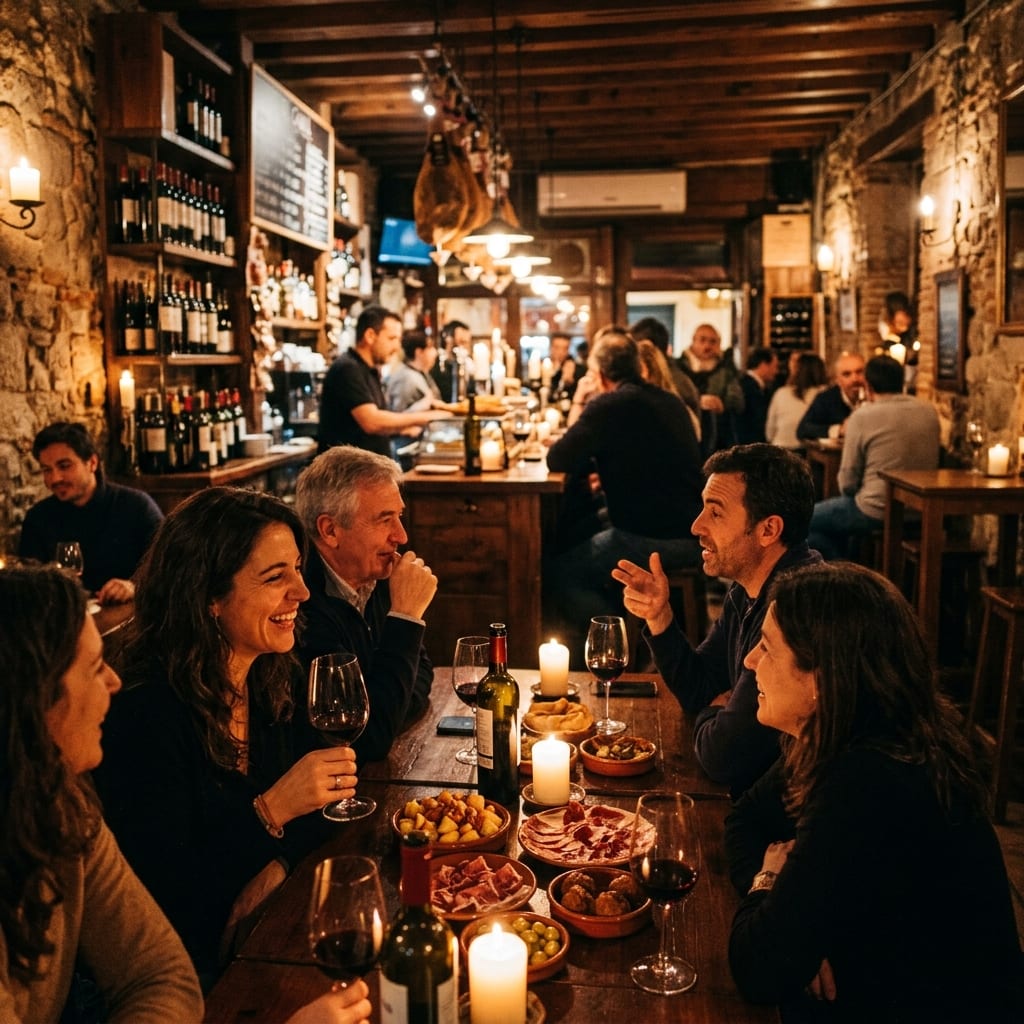
In the modern hospitality landscape, guests don't just pay for calories; they pay for an experience. A Michelin-star meal served under harsh fluorescent lights in a noisy, cramped room will leave a poor impression.
Mastering the intangible elements of your restaurant—lighting, acoustics, and spatial flow—is critical to creating a memorable dining ambience.
The Magic of Layered Lighting
Lighting is the most powerful tool for manipulating mood. A restaurant should never rely on a single, uniform light source. Instead, use a layered approach:
1. Ambient Lighting: The overall, soft base layer of light.
2. Task Lighting: Focused light over the bar or the host stand.
3. Accent Lighting: Spotlights on artwork, architectural features, or directly over the center of the tables to make the food "pop."
Always use warm color temperatures (2200K - 2700K) to mimic candlelight and flatter your guests' skin tones. Crucially, install dimmer switches on every circuit so the lighting can dynamically transition from bright and energetic during a lunch rush to intimate and moody for dinner service.
Taming the Noise
A bustling restaurant is exciting; a deafening restaurant is exhausting. Modern design trends—exposed brick, concrete floors, and open kitchens—create acoustic nightmares where sound bounces endlessly.
Mitigate this by discreetly installing sound-dampening materials. Acoustic panels can be hidden under tables, behind canvas artwork, or suspended as ceiling baffles. Soft furnishings like heavy drapery and upholstered seating also absorb significant ambient noise.
Optimizing the Floor Plan
Your floor plan must balance maximum revenue (seat count) with guest comfort and staff efficiency.
Ensure there are clear, wide pathways for your servers. A chaotic dining room where staff constantly bump into chairs ruins the illusion of effortless service. By utilizing a robust Order Management System and smart QR Code Menus, you can reduce the amount of time servers spend running back and forth to POS terminals, drastically calming the traffic flow of your floor.
A well-designed restaurant makes guests lose track of time, encouraging them to order that extra bottle of wine and dessert.